Surviving Family Program
a five-day, clinically facilitated group program that assists Trauma Exposed Family Members (TExF) who have lost their TExP loved one in the line of duty or to suicide.

Promoting renewal and hope
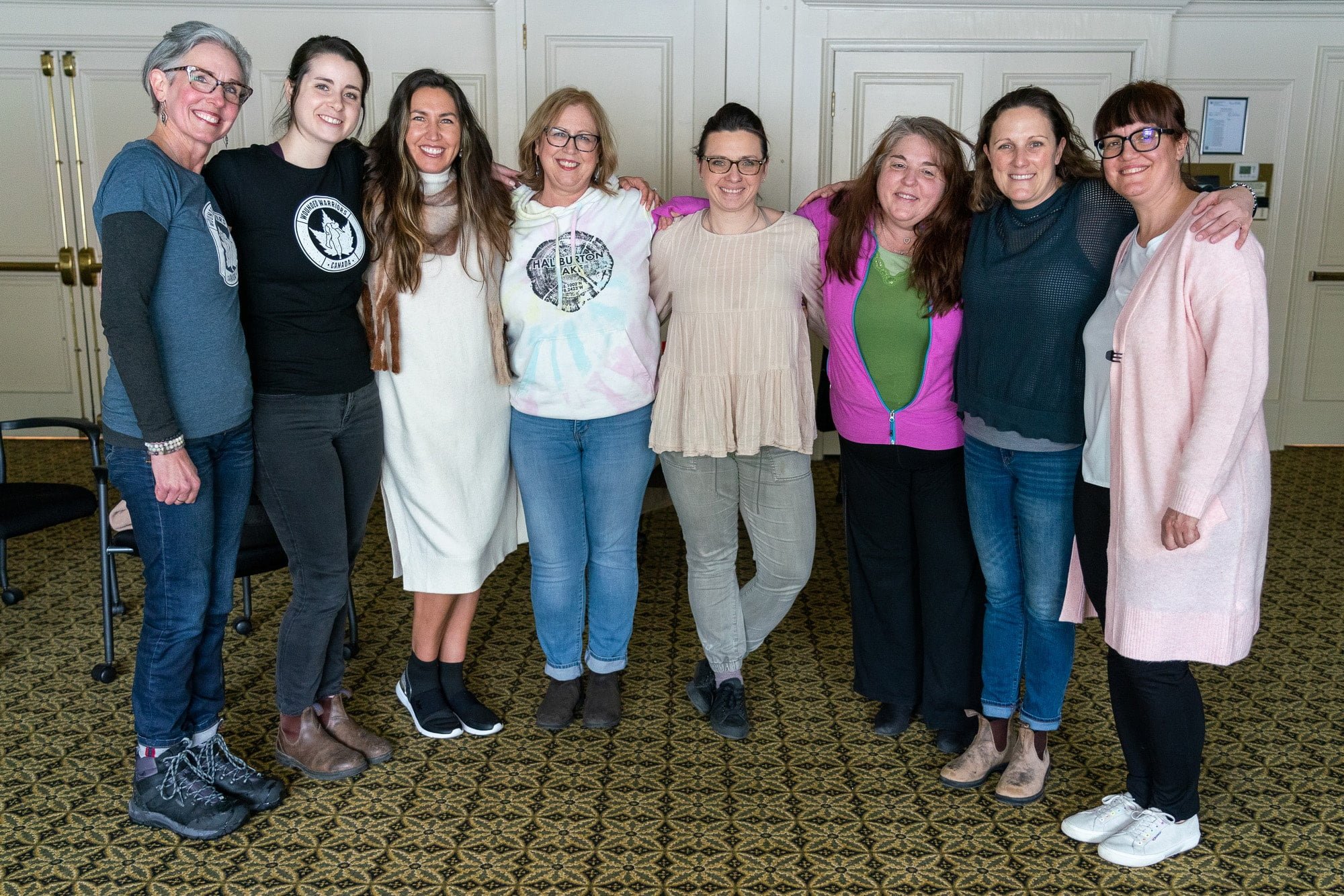
The group approach enhances participants’ ability to exchange support with others who have experienced similar traumatic losses, under therapeutic guidance, thereby reducing isolation. The SFP culminates with participants identifying and claiming future-focused needs and goals which promote renewal and hope. All participants receive a 2-week post-program clinician follow-up
Use Sarah Routhier Testimonial
Frequently Asked Questions
Q: Why was the program created?
The program was initially designed to support the spouses with their traumatic loss of their late husbands who had died in the line of duty, by suicide, or as a result of accidents at work. The first group took place in February 2021 and Angela invited five other surviving spouses, each with an important role to play in their respective communities, to take part in the first pilot group. Afterwards, we were then able to make adjustments to our program based on the spouses’ feedback.
In October 2022, we were contacted by a family member who also wanted help and we decided to try to include this person. After this experience, we made the decision to expand the program to include the parents, the brothers/sisters and the adult children as well. It was then that we changed the name from Surviving Spouses Program (SSP) to Surviving Family Program (SFP).
Q: What is the format of SFP?
All participants attend all group sessions and meals are generally eaten together as a group. Evenings are left for downtime for all participants to rest for the following day, socialize with other participants in common areas, or simply return to their own rooms.
Q: What topics are covered?
Each participant also completes three main exercises: the first is the introduction of the deceased spouse or family member (Day 2); the second is a narrative exercise, where participants write and read their story of the traumatic loss (Day 3); and the third exercise involves writing a letter to the deceases partner or family member (Day 4). For each exercise, the SFP clinical leads facilitate responses from the other participants, regarding the parts of the stories that impacted them the most.
The SFP culminates with participants identifying and claiming future-focused needs and goals promoting renewal and hope. At the end of the program, all clinical leads provide referrals, when requested, as well as information regarding other available WWC resources and programs. All participants receive a 2-week post-program clinician follow-up to support the integration of new skills.
Find Support
We’re here to help you. Contact the WWP Resource Center for more information.
Developers
Carolynn Turner,
MA, RCC
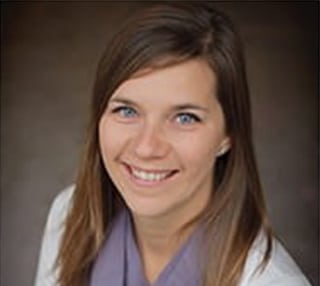
Carolynn Turner, MA, RCC has spent almost 20 years supporting individuals and families who are struggling. She is currently the Founder and Director of Lavender Counselling & Wellness in Langley, a clinician for the COPE and TRP programs (supporting veteran and first responders to build resiliency to the effects of PTSD), Regional Chair for the BC Association of Clinical Counsellors, and she regularly speaks as part of the BCTF Wellness Team. She has been an invited speaking guest at many schools, school districts and conferences around the province.
Claudine Barrete, M.PS.
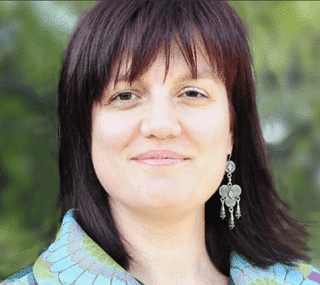
As a clinical psychologist, Claudine Barrette has extensive experience with victims of trauma and has a particular interest in best practices with regards to crisis intervention. She works with children and adults, both individually and in groups. She has vast experience with members of the Canadian Armed Forces and their families. Her experience also includes 12 years as part of a crisis unit working with various stakeholders for emergency services such as police, paramedics and firemen. A two-year stay in India, combined with other work experiences in sub-Saharan Africa have given her the ability to work in difficult and complex situations and a strong understanding of the difficulties faced by those returning home from intense and sometimes traumatic environments.
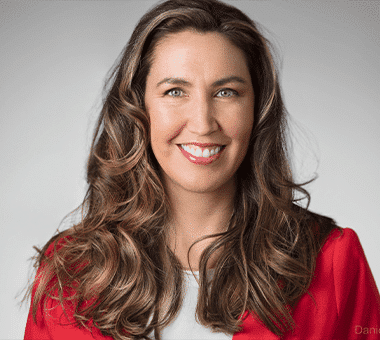
Angela Gevaudan, Program Advisor
Angela is a sensitive and intuitive soul with a strong desire to assist people that manifested itself in her becoming a 911 communicator/dispatcher.
On the evening of June 4th, 2014, she was impacted in the most traumatic way when her husband, an RCMP officer, was murdered on duty along with two of their colleagues and friends. This personal and professional loss led to a post traumatic stress injury. The more Angela has learned about trauma through her own experience, from peers and health professionals, the more she realizes it has shaped who she is in so many ways. She has developed a heightened awareness of her experiences and the experiences of others and this awareness has aided in her ability to communicate with and assist others dealing with stress injuries.
Knowing how difficult it can be and possessing a strong desire to understand this injury for herself, has also driven her to be a tireless advocate for other first responders with injuries, for surviving families and to advocate for the health and safety of those who serve our communities. To that end she was able to contribute to the development of the Wounded Warriors Canada Surviving Spouses’ Program and has been a keynote speaker at various conferences and fund raising events that support those suffering from traumatic stress injuries.
Signup