
Peer Support Fundamentals
Peer Support Fundamentals
Designed to help Trauma Exposed Professionals (TExP’s) become confident, capable, well-informed peer supporters, with increased personal resiliency for the rigors of their frontline and peer support roles.
HERO

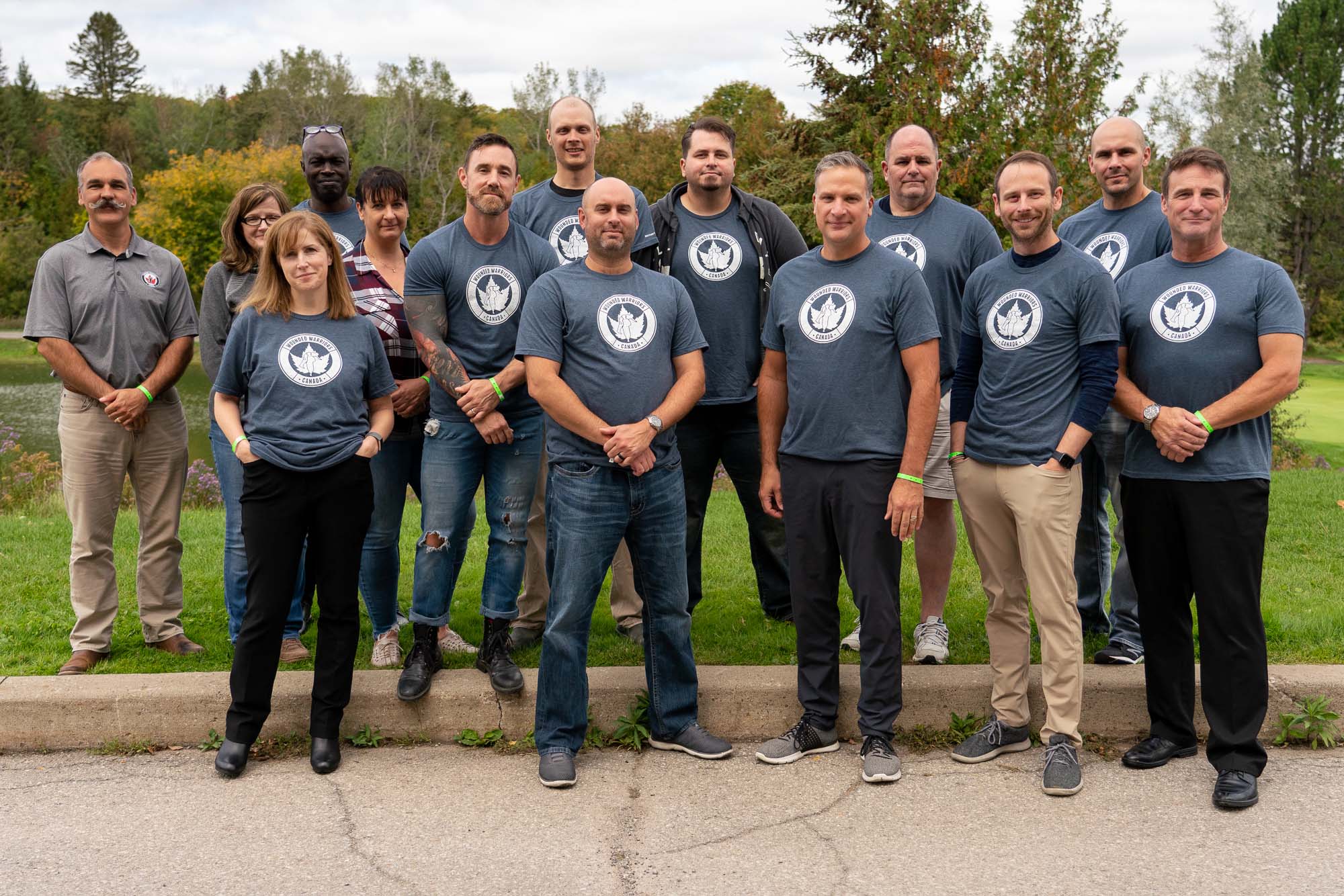
PSF is intended to benefit both seasoned peer supporters and novices who require a grounding in the fundamentals of peer support.
Testimonial TBD
Frequently Asked Questions
Q: What is taught on PSF?
A: Attendees will learn about concepts that will improve their ability to recognize and respond to signs of stress and trauma in self and others, and to manage the crucial transition between “home mode” and “responder mode.”
We provide a combination of content-rich education about a variety of relevant topics as well as opportunities for experiential learning.
Q: What are the core concepts?
A: Supportive Communication: Principles
- Understanding chronic stress
- Neurobiology of trauma and operational stress
- personal resiliency strategies for the peer supporter
- Responding to severe distress and suicidality as a peer supporter
supportive communication: experiential skills practice - “Bad Calls”/ Critical Incidents/ Traumatic Events
- Compassion Fatigue – “The Cost of Caring”
- Group debriefing sessions
- Linking peers with professional supports
Q: Who collaborated on the development of this program?
A: Psychologists and peer support consultants collaborated on the development of the program, and work in tandem to conduct the training.
Psychologists involved in the training have extensive experience working with first responders, both as front-line clinicians and as peer support trainers.
Peer Support Consultants are individuals who come from first responder careers, who have an abundance of real-world peer support experience, as well as knowledge and understanding of the unique challenges facing peer support teams for first responder services.
Q: Who can attend the training
A: Peers who are viewed by both colleagues and supervisors as suitable to the training due to personal qualities, reputation, verbal skills and leadership potential.
Q: What is the delivery model?
A: In-person group-based experiential learning environment – normally procured by organizations for both small and large groups.
Q: Who should I contact?
A: Contact Wounded Warriors Canada for more information or to book a PSF training.
Find Support
We’re here to help you. Contact the WWP Resource Center for more information.
Developers

Dr. Nicole Ethier, Clinical Director
Dr. Nicole Ethier and Dr. Shannon Gifford are two of the co-founders of Breakwater Institute for Occupational Stress and Trauma, a multidisciplinary clinic providing specialized mental health services to first responders and military members/ veterans.
In addition to providing frontline clinical support, Breakwater clinicians are involved in peer support training, personnel selection initiatives, clinical training for graduate students, consultation services with first responder agencies, and synergistic psychobiological treatment approaches for chronic operational stress and trauma (e.g., rTMS).
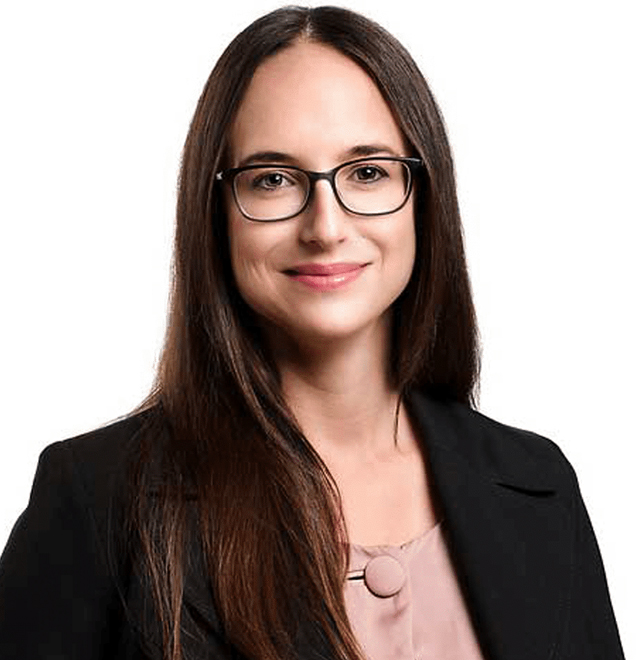
Dr. Shannon Gifford, Clinical Director
Drs. Ethier and Gifford both earned their Ph.D.s in clinical psychology from the University of Waterloo (UW), and are both long-serving clinical adjunct faculty members with the UW clinical psychology program.