TRAUMA INFORMED WORKPLACE TRAINING
TRAUMA INFORMED WORKPLACE TRAINING
Trauma Resiliency Training
The Trauma Resiliency Training (TRT) is a clinically facilitated group-based training program that combines the power of a team approach with effective, trauma-resilient skill development.
PEER SUPPORT FUNDAMENTALS PROGRAM
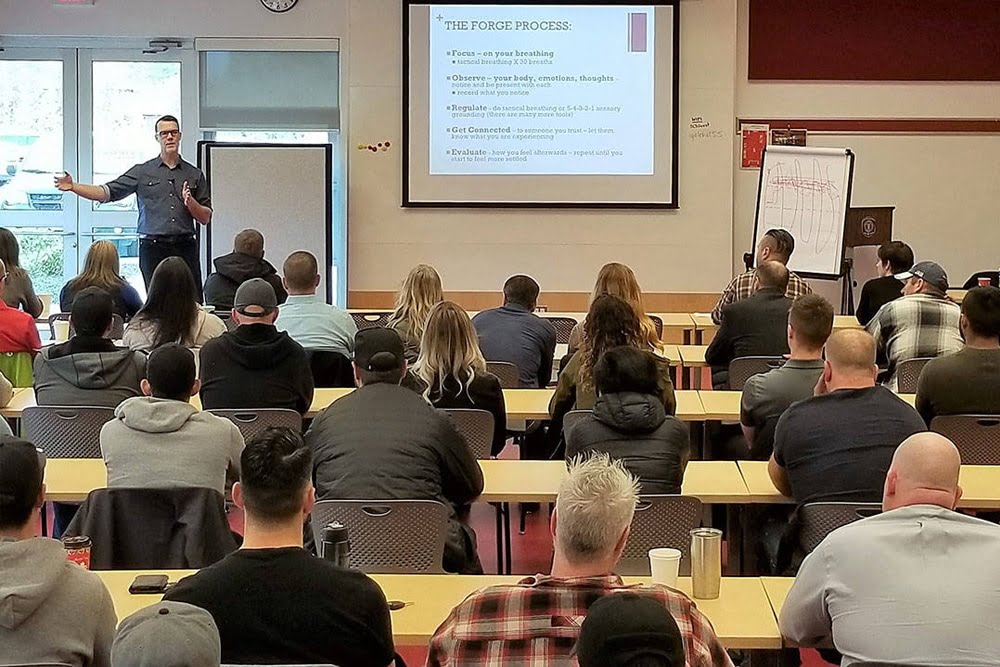
The Peer Support Fundamentals program is designed to help Trauma Exposed Professionals become confident, capable, well-informed peer supporters, with increased personal resiliency for the rigors of their frontline and peer support roles.
BEFORE OPERATIONAL STRESS (BOS)
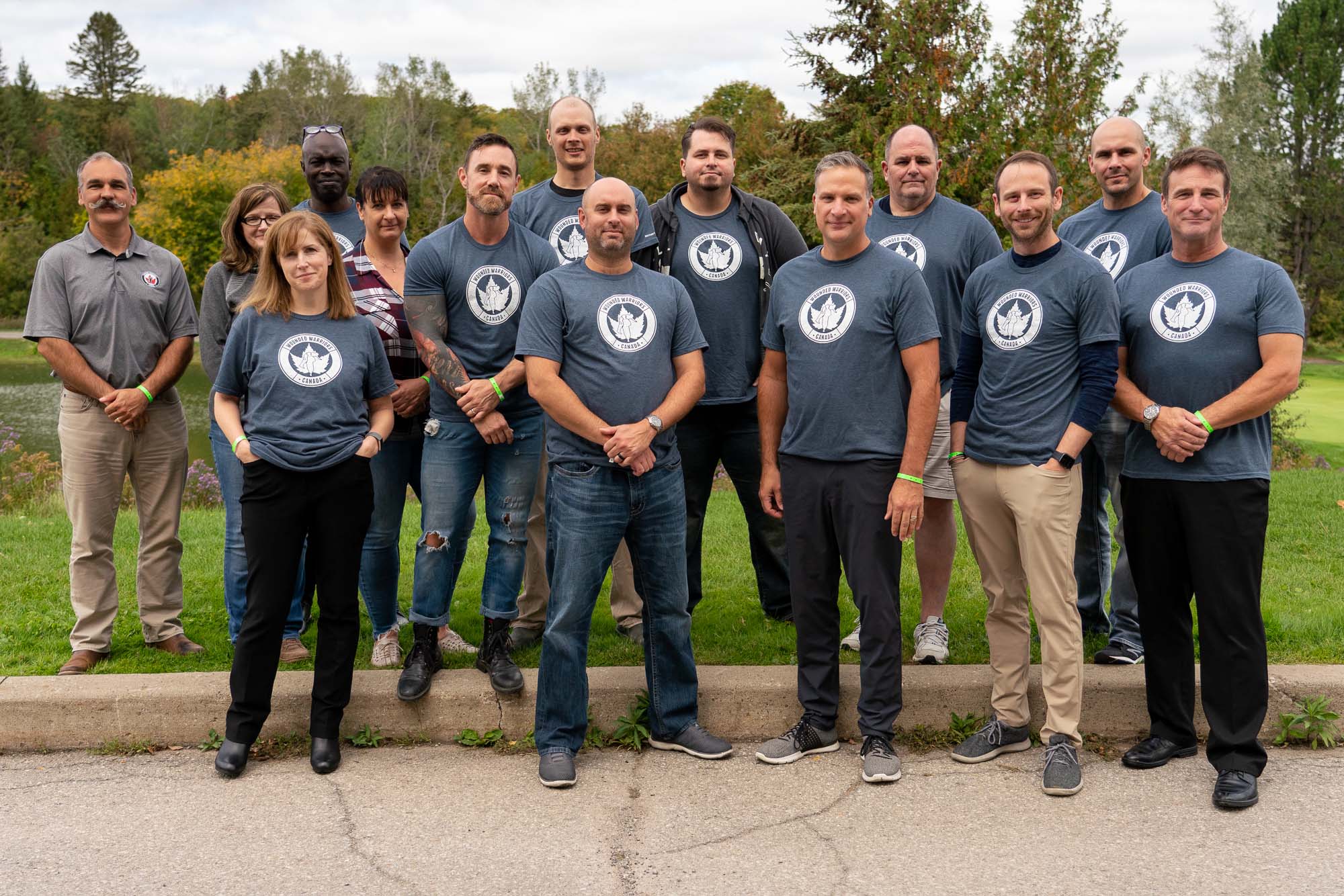
The BOS program has been carefully designed to provide public safety personnel with theoretical, practical and experiential learning to enhance their resilience and mental health.
CORE TRAUMA CONCEPTS
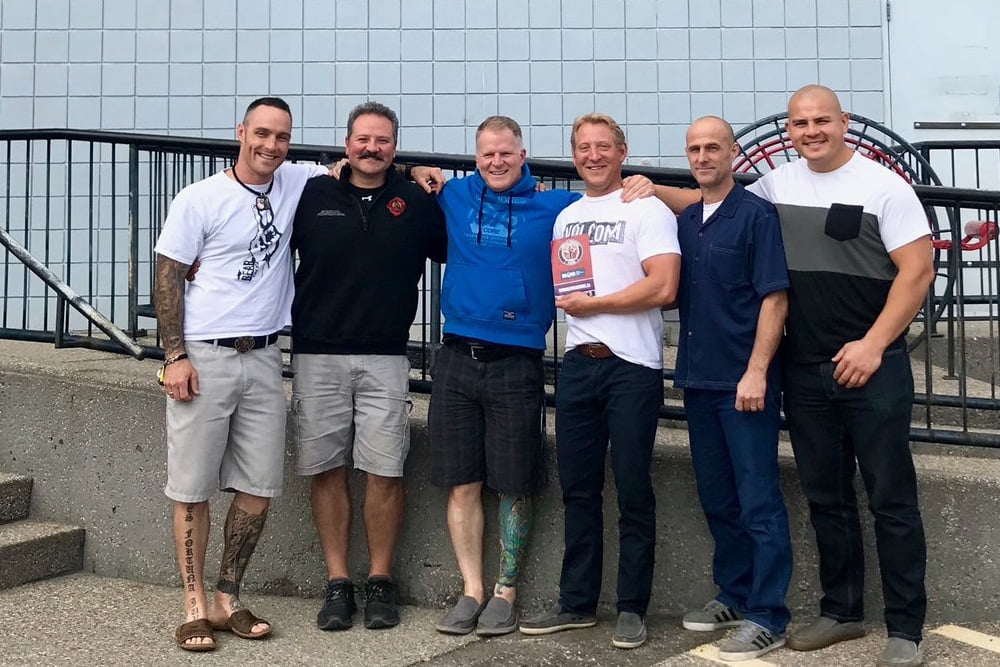
Core Trauma Concepts is a unique mental health program that introduces trauma fundamentals to Trauma Exposed Organizations (TExO) and Trauma Exposed Professionals (TExP).
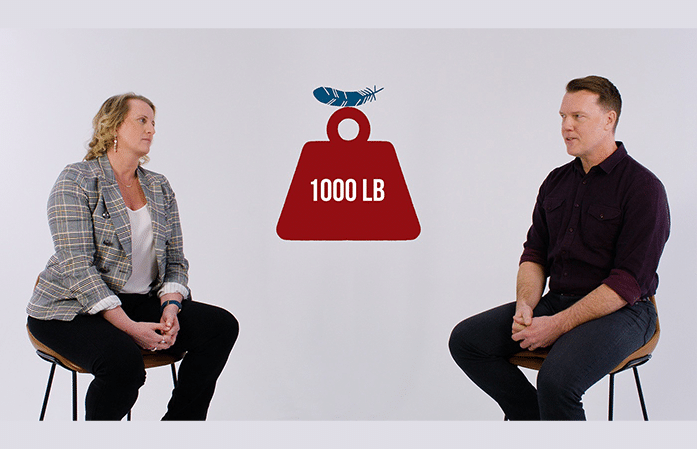
STRENGTH WARRIOR
STRENGTH delivers culturally specific training to prevent burnout, trauma-related stress distress, loss of motivation and emotional disturbances for Trauma Exposed Professionals (TExP). Available in-person or online. your entire organization can do the training on-demand at a pace that suits individual learners.

INTRODUCTION TO TRAUMA EXPOSED PROFESSIONALS
This course has been designed for healthcare providers in an effort to highlight the unique work environments that are considered routine for those who serve in our Canadian Armed Forces and Public Safety professions. The course will increase learner competencies in the Military/PSP – Civilian Divide, Military/PSP culture and will provide culturally specific clinical approaches to support the complex mental health needs of those who serve Canada at home and abroad.
INTRODUCTION TO TRAUMA EXPOSED PROFESSIONALS 2: SELF-CARE
Join Tim and Alex as they discuss how to practically incorporate self-care into your professional practice before, during, and after your work with TEXP clients by structuring one’s clinical practice around self-care principles, maintaining a ‘low trauma diet’, and considering adopting a ‘self-care lifestyle’ as a standard part of being a TExP clinician. Building on and expanding the BETR model from Introduction to Working with Trauma Exposed Professionals (TExP), Tim and Alex’s collegial and conversational approach encourages us to take the same care with ourselves as we do with our clients.