
Trauma Resiliency Program 1
A 3-day residential, group counselling intervention for individuals who are dealing with the negative effects of post trauma symptoms, resulting from their work as Trauma Exposed Professionals (TExP’s).

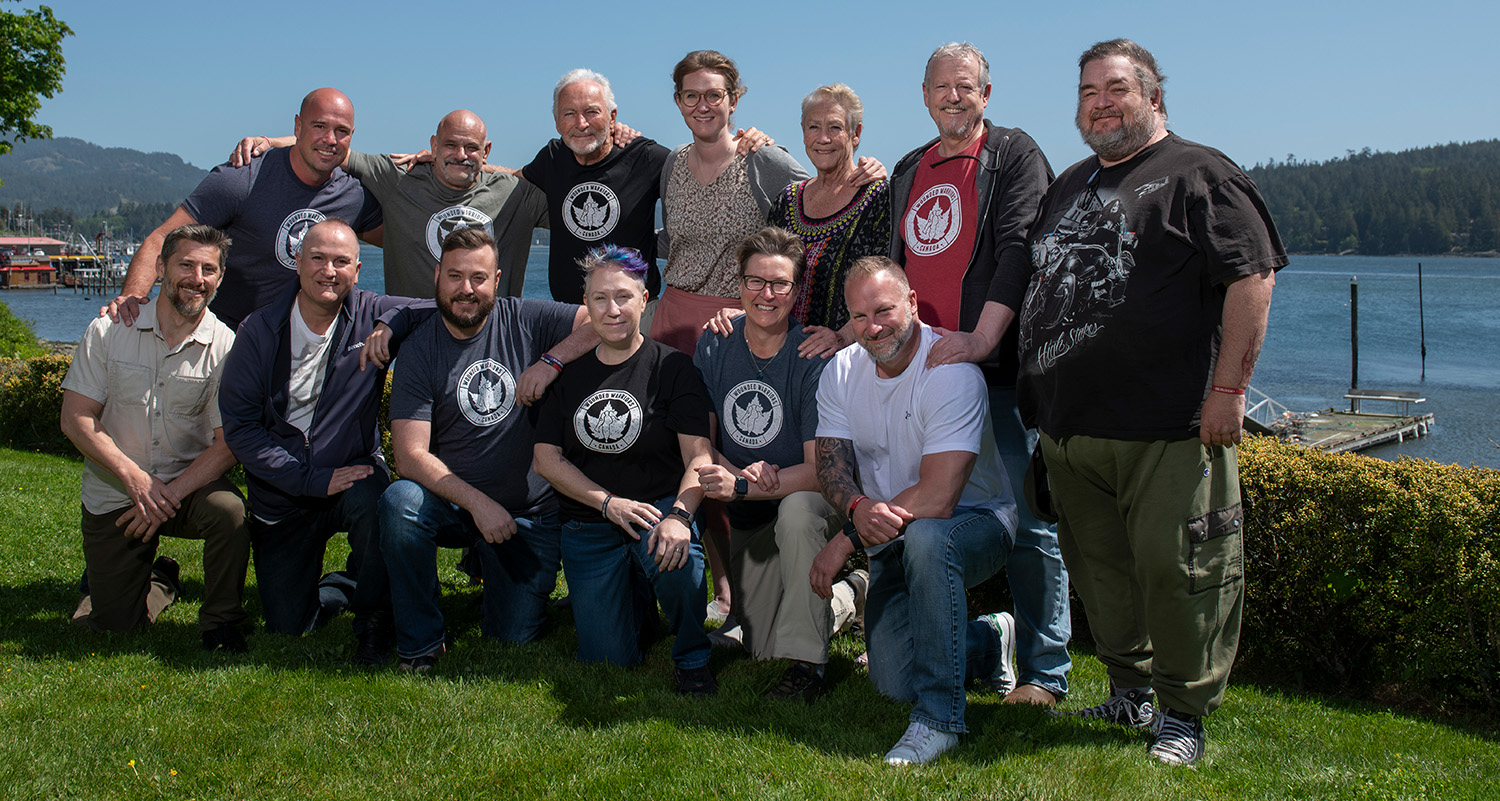
Trauma-Based Psychoeducation, Skill-building, and Resourcing
TRP 1 helps TExP’s acquire the necessary tools to overcome the natural and understandable effects of traumatic exposure based on a clear understanding of the physical and social effects of traumatic injury. TRP 1 focuses on the value of hard work and the importance of peer recognition in transforming wounds into scars and scars into a road-map for resiliency.
TRP is a group-counselling program, meaning that every participant must be both willing and able to do their own work and be both willing and able to assist fellow group members in doing their work.
While not required, participants who successfully complete TRP 1 have the opportunity to engage in more focused trauma recovery work in TRP 2.
“I connected with new people and we will continue to support
each other, I can’t wait for the next program.”
Trauma Resiliency Program Graduate
Frequently Asked Questions
Q: What are the interventions being used?
A: TRP1 – Group counselling, psychoeducation, trauma self-regulation skills training and practice, trauma mapping through the establishment and creation of a personal traumatic experiences inventory line.
Q: What is the empirical evidence for the intervientions being used?
A: Group Counselling has been established as an effective means to helping individuals who are suitable for a group experience to receive support from fellow group members, receive training and education and practice new skills. Both TRP1 and TRP2 follow best practices for all group counselling. Best practices for trauma treatment are based in Herman’s Tri-Phasic Model of trauma treatment (1995) and both TRP1 and TRP2 observe the principles of best trauma practices.
Black (2019, CIMVHR, Ottawa, ON) presented descriptive data on shame and PTSD in TRP1 and TRP2. Preliminary data shows a trend towards both TRP1 and TRP2 achieving their stated outcomes, including an increase in knowledge, confidence and skill in dealing with psychological trauma, a reduction in self-reported trauma-related shame.
Q: What are the objectives of TRP 1?
A: The objectives of TRP are to: (1) Enhance individuals’ understanding the impact of PTSR’s upon their lives in a systematic and professionally facilitated environment, building on skills practiced in TRP-1; (2) Provide participants with a group-based counselling experience that focuses on psychoeducation, practice of skills for working through traumatic events from the past; (3) Provide individuals with the opportunity to work through a portion or all of one pre-defined traumatic event identified in TRP-1; (4) Provide referrals to other complementary services that may assist participants in achieving their goals; and (5) Provide participants with the opportunity to set personal and relationship goals that are, relevant, realistic and attainable.
Q: What are the expected outcomes of TRP 1?
A: It is expected that program participants will: (1) leave with a new understanding of how PTSR’s develop from a comprehensive and holistic perspective including how PTSR’s may have impacted participant’s personal, family and professional relationships, (2) develop and/or enhance trauma-resilient regulation skills for dealing with PTSR’s, (3) experience attempting to work through all or a portion of a pre-determined traumatic event from their past in a group counselling environment; (4) acquire referrals to complementary services, and (5) experience a decrease in their sense of isolation and struggle as a result of their PTSR’s.
Q: What is the structure used to monitor outcomes?
A: he first study examining data from TRP1 and TRP2 (Black, T., 2019, CIMVHR, Ottawa, ON) utilized a pre-post design, with questionnaires created by the author to address the specific outcomes of both programs (Black, TRP1 and TRP1 Questionnaires, 2019), using 5 questions each, with Likert scale responses, delivered via a neutral third party, as well as the Trauma Related Shame Inventory (Oktedalen, et al., 2014) and the PCL-5 (Weathers et al., 2013)
Further, we have partnered with Nanos Research who is facilitating a post-program evaluation survey for TRP participants. Here is the link to the results following the first data capture: https://woundedwarriors.ca/our-impact-2022/#nanos.
Q: Who delivers the TRP 1?
A: Qualified mental health professionals with a minimum Masters or PhD degree, professional liability insurance and in good standing with their respective regulation and/or professional association bodies.
Find Support
We’re here to help you. Contact the WWP Resource Center for more information.
Developers

Dr. Tim Black, R. Psych., National Clinical Director
Dr. Black has been a trauma and group counselling specialist, educator, clinician, researcher, and program developer for over 20 years. In the first part of his career as a tenured Associate Professor of Counselling Psychology in one of the top counselling psychology graduate programs in Canada, Tim taught, published, and conducted research focused on Trauma Exposed Professionals (TExP). He has worked as a community-engaged researcher/practitioner beyond the halls of academia with Veteran and First Responder communities, local and national organizations, and has co-developed multiple national programs for TExP’s and their Trauma Exposed Families (TExF). Tim now serves as Wounded Warriors Canada’s National Clinical Director.

Alex Sterling, MA, RCC.
Alex Sterling MA, RCC is a Senior Associate Clinician with Wounded Warriors Canada, specializing in clinical work with Trauma Exposed Professionals, and working extensively in promoting trauma informed work environments across Canada. She has co-developed multiple, nationally delivered programs including WWC’s TRT, TRT-L and Trauma Resiliency Programs (TRP1 and TRP2) and has trained trauma clinicians internationally to deliver the WWC COPE program.